Source Collections
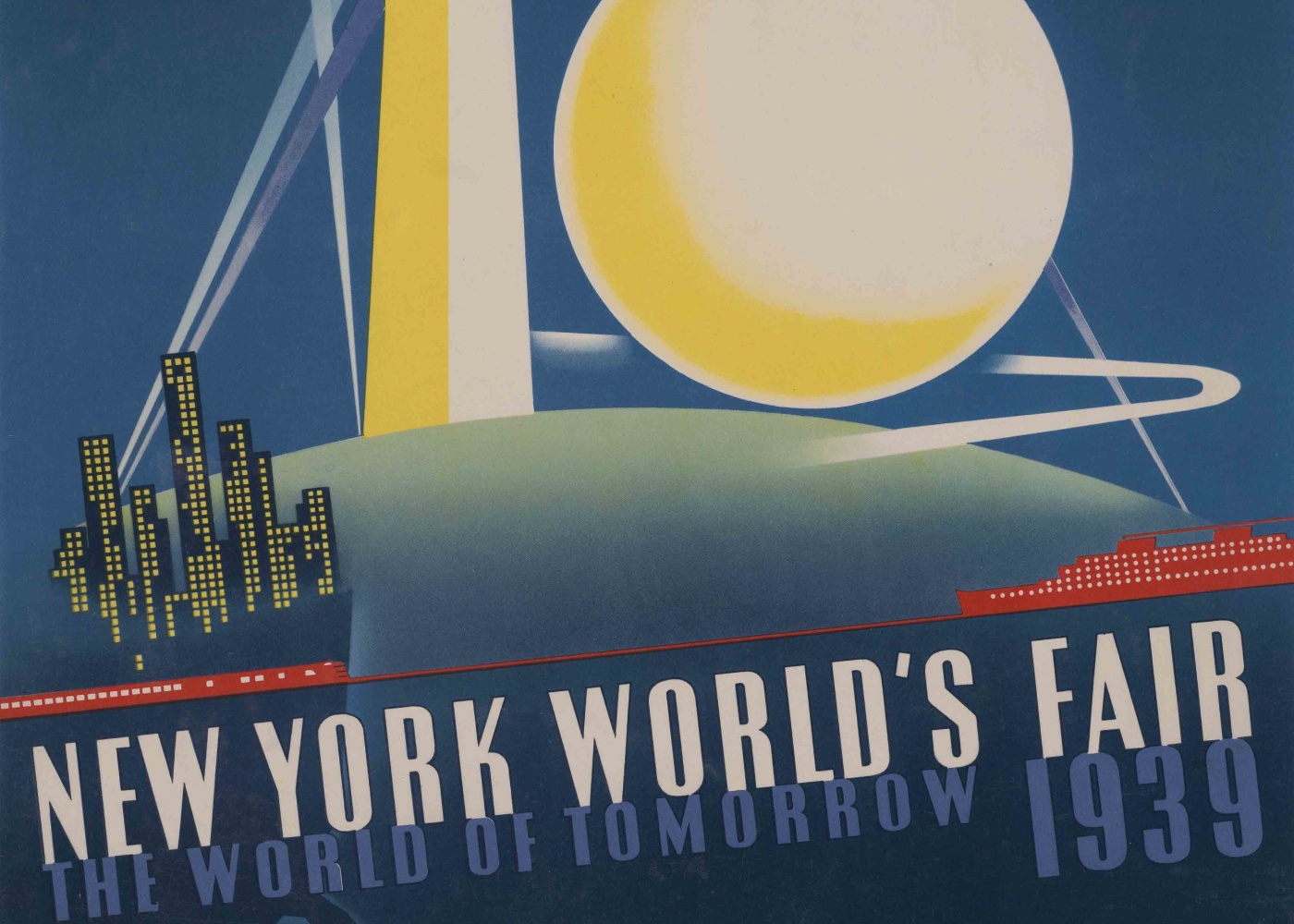
1939 New York World's Fair
Imagery evoking the 1939 New York World's Fair — a snapshot of late-1930s American optimism, industrial design, and visions of the future.
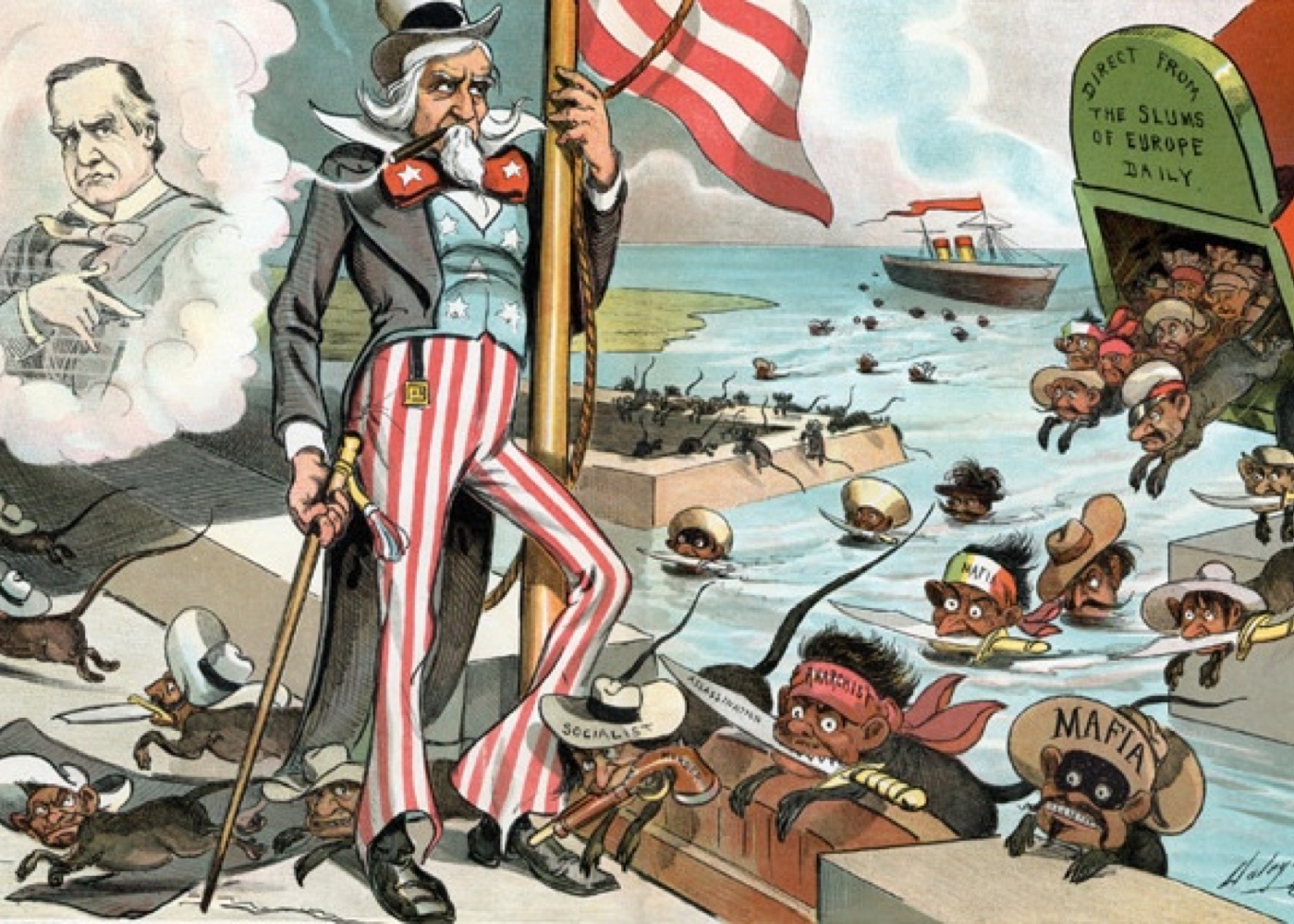
America Immigration Dumping Ground
Reference imagery exploring the rhetoric and visual language of US immigration debates — borders, gateways, faith, and arrival.
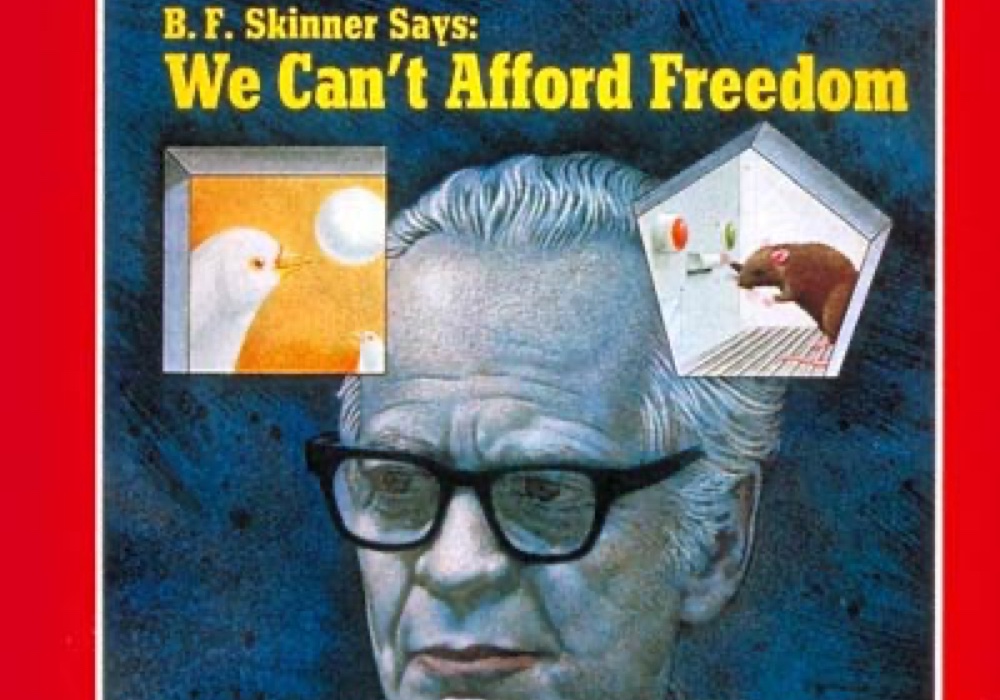
B.F. Skinner — Behaviorism
Scenes filtered through the conceptual lens of B.F. Skinner's behaviorism — pigeons, surveillance, conditioning, and the apparatus of everyday observation.
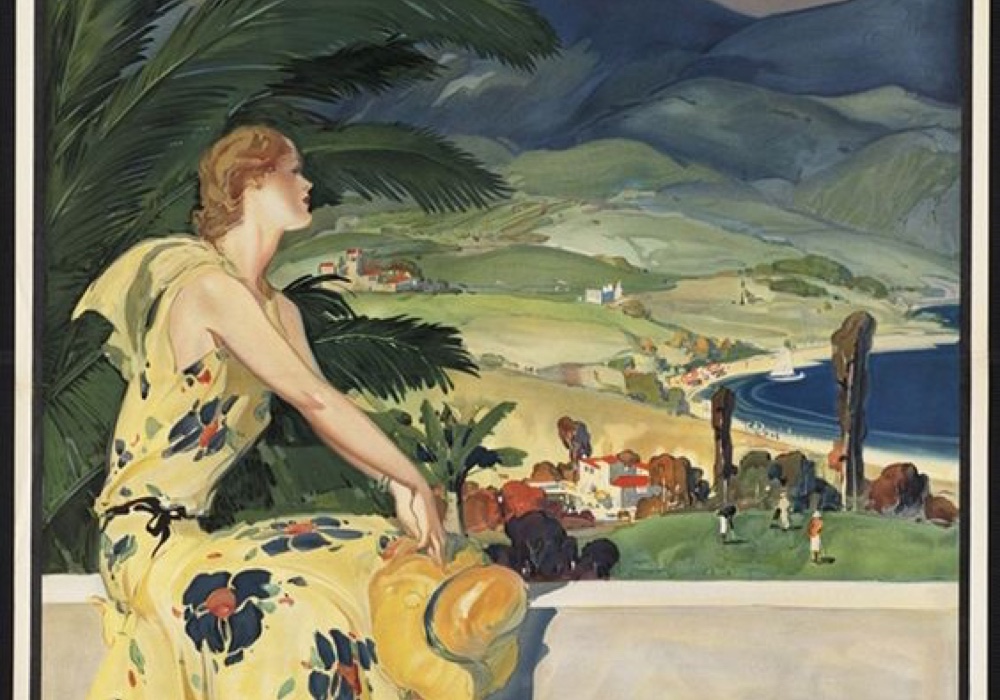
California by Train
California seen from the rail corridor — freeway interchanges, industrial edges, piers, deserts, and the in-between landscapes of the state.
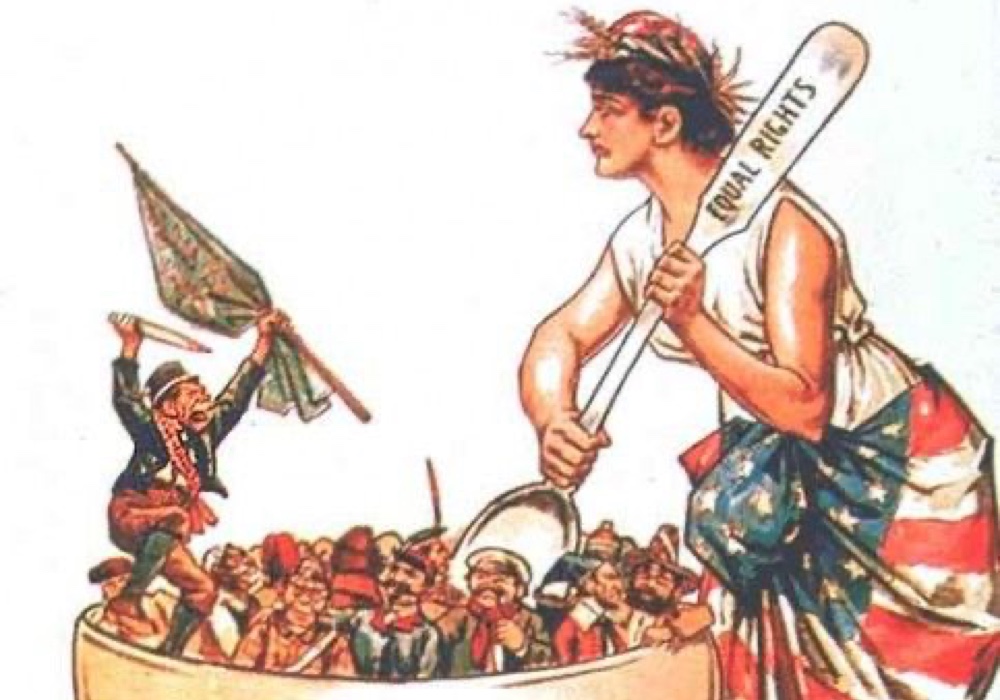
Citizenship
Symbols and sites of American citizenship — Ellis Island, borders, monuments, churches, and the everyday places that frame belonging.

Copper Circuit
Imagery rendered through the Copper Circuit style — an abstract circuit-board aesthetic in warm metallic tones.
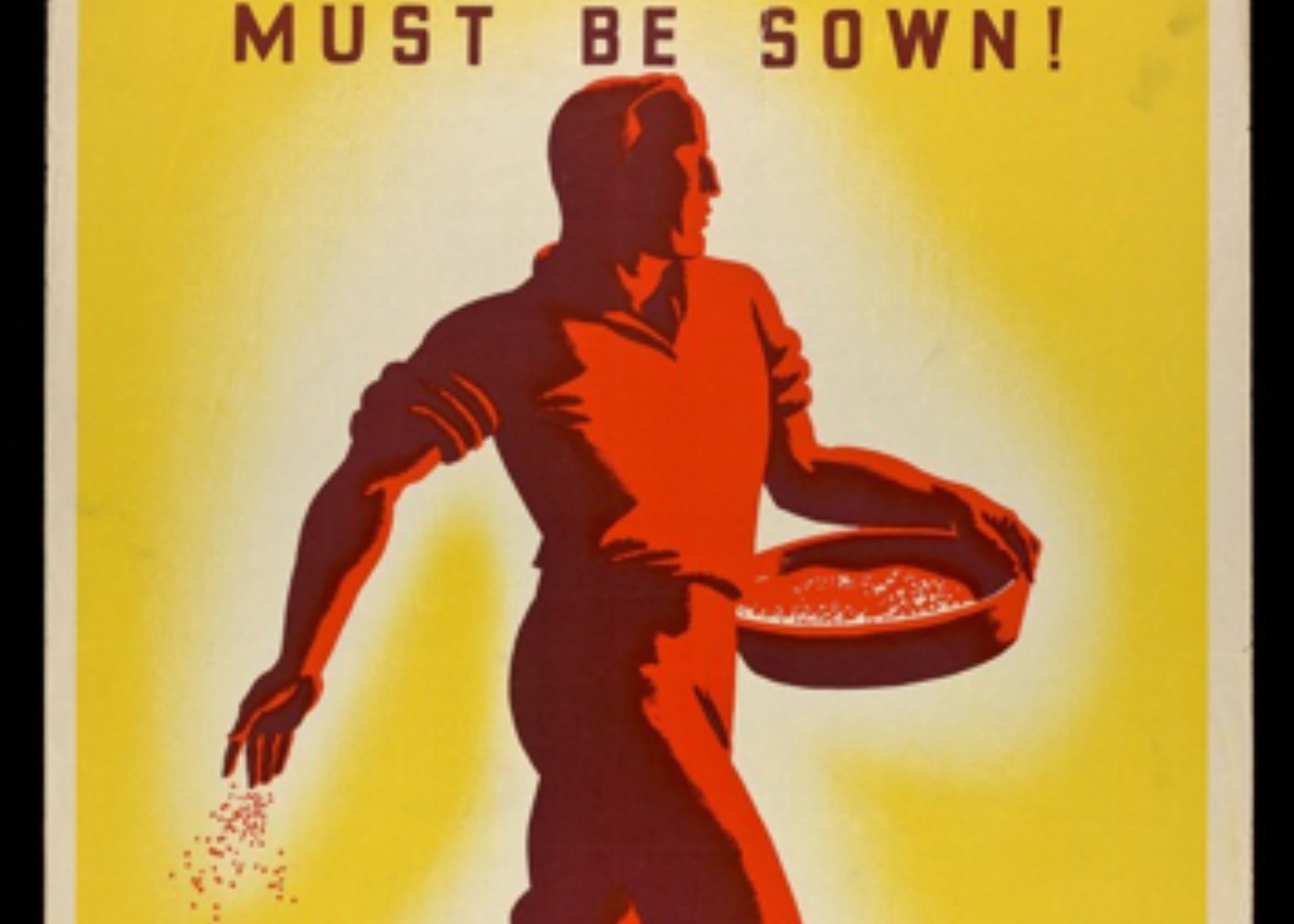
Eugenics
Reference imagery for the Eugenics style — exploring the visual rhetoric of one of the 20th century's most dangerous pseudosciences.
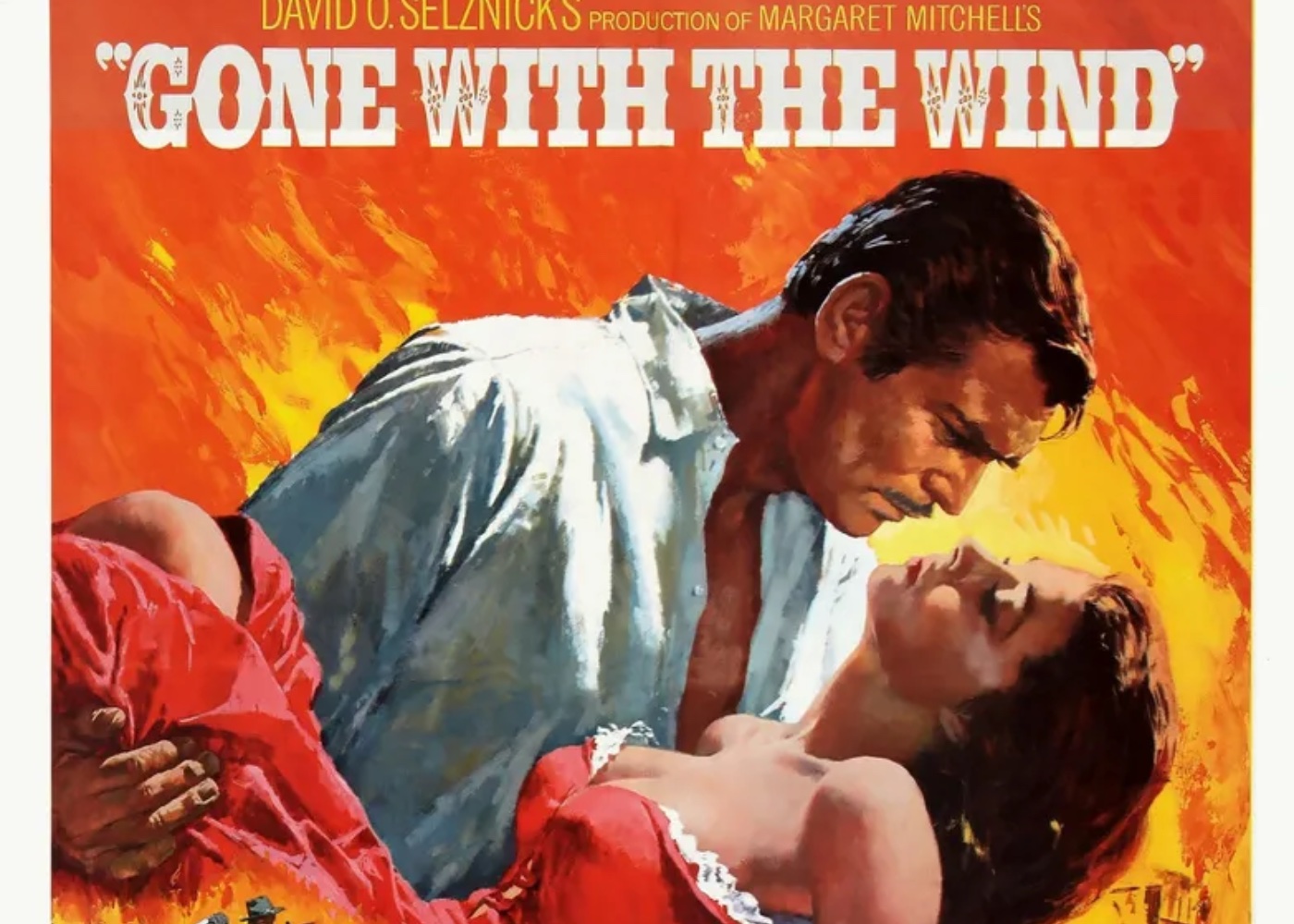
Gone With the Wind
Imagery in the cinematic aesthetic of the 1939 film Gone With the Wind.
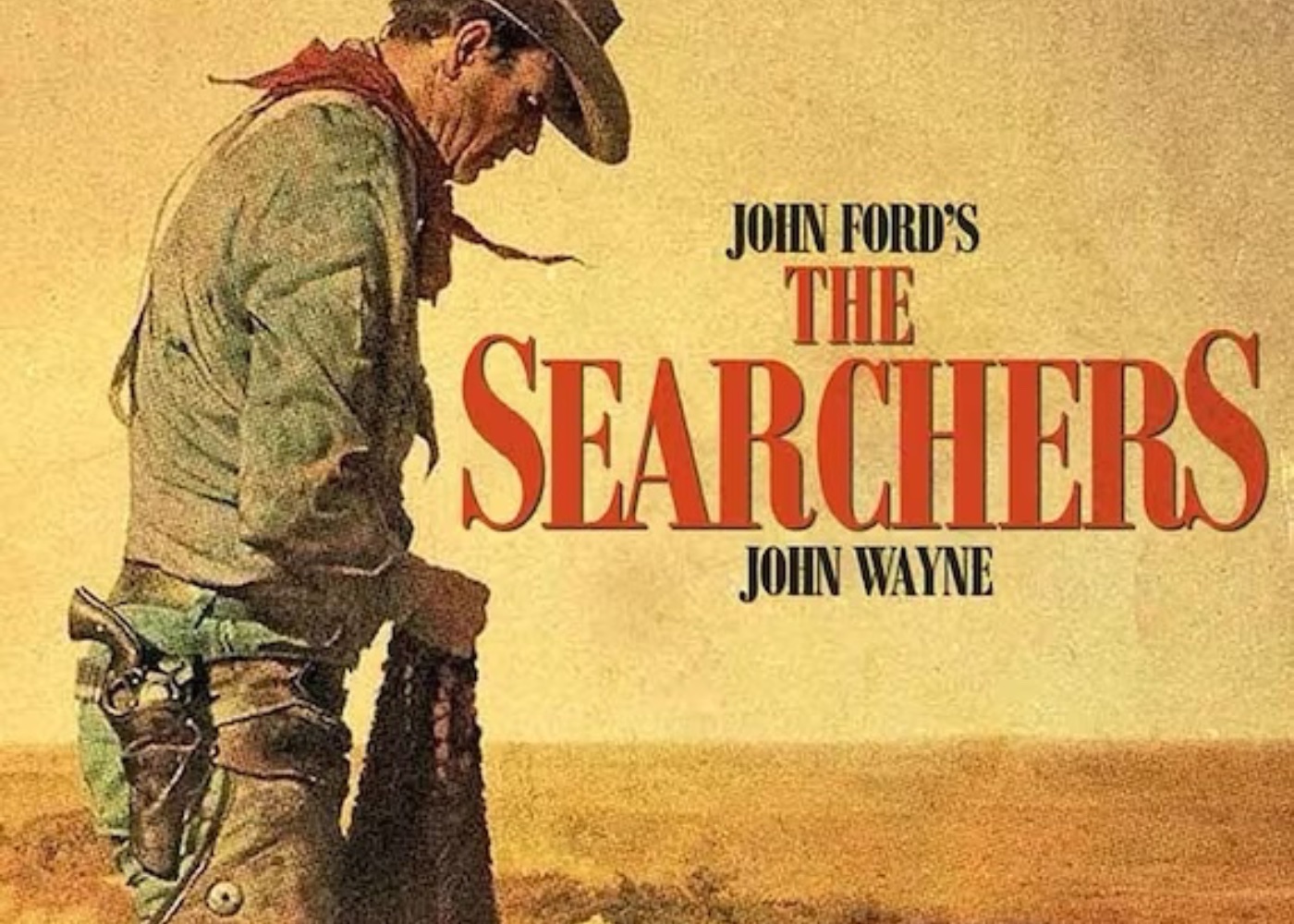
John Wayne — The Searchers
Imagery in the aesthetic of John Ford's 1956 western The Searchers, starring John Wayne.
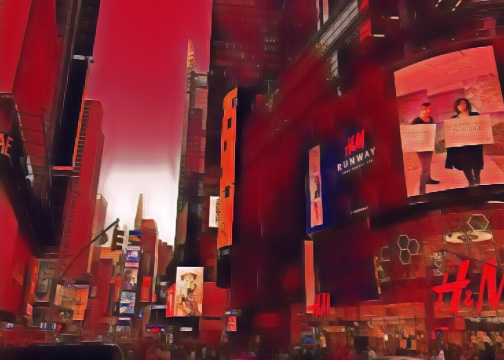
Leaflets of the Russian Revolution
American landmarks and skylines rendered in the visual style of revolutionary Russian propaganda leaflets.
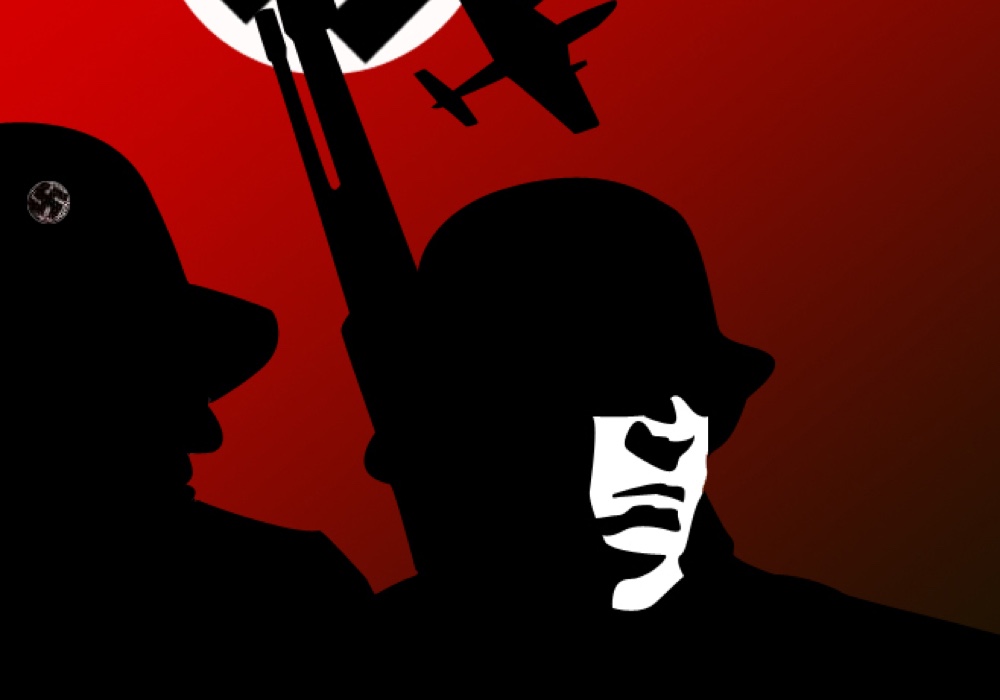
Nazi Invasion
Reference imagery for the Nazi Invasion style — fascist iconography, eagles, militarized landscapes, and the visual grammar of authoritarianism.
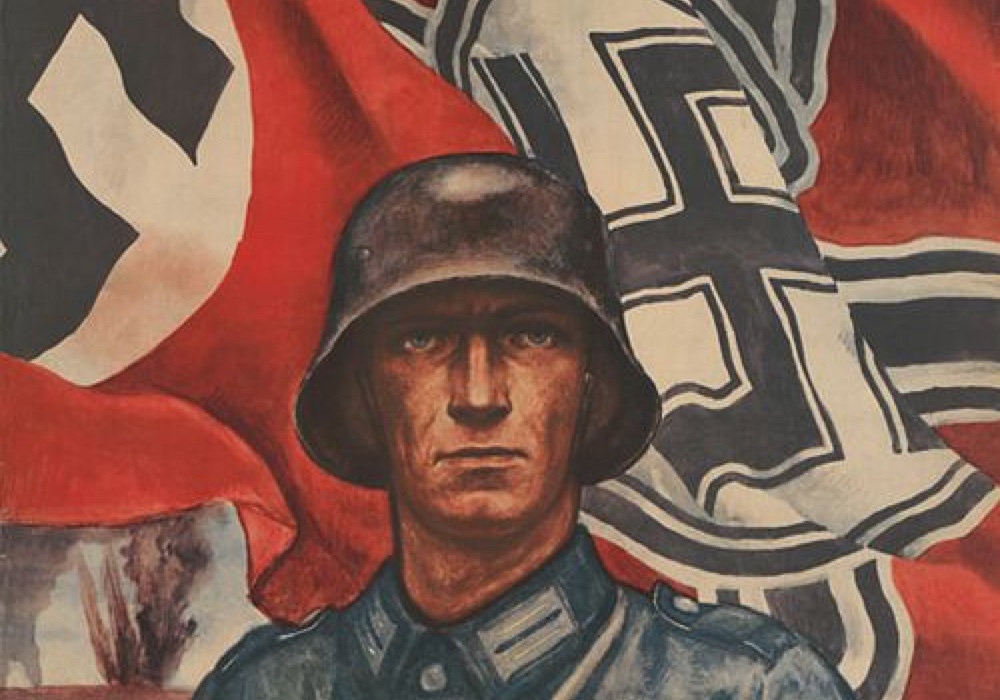
Nazi Poster
Imagery rendered as Nazi-era propaganda posters — borders, capitals, and arrival points styled in the visual language of mid-century fascist propaganda.
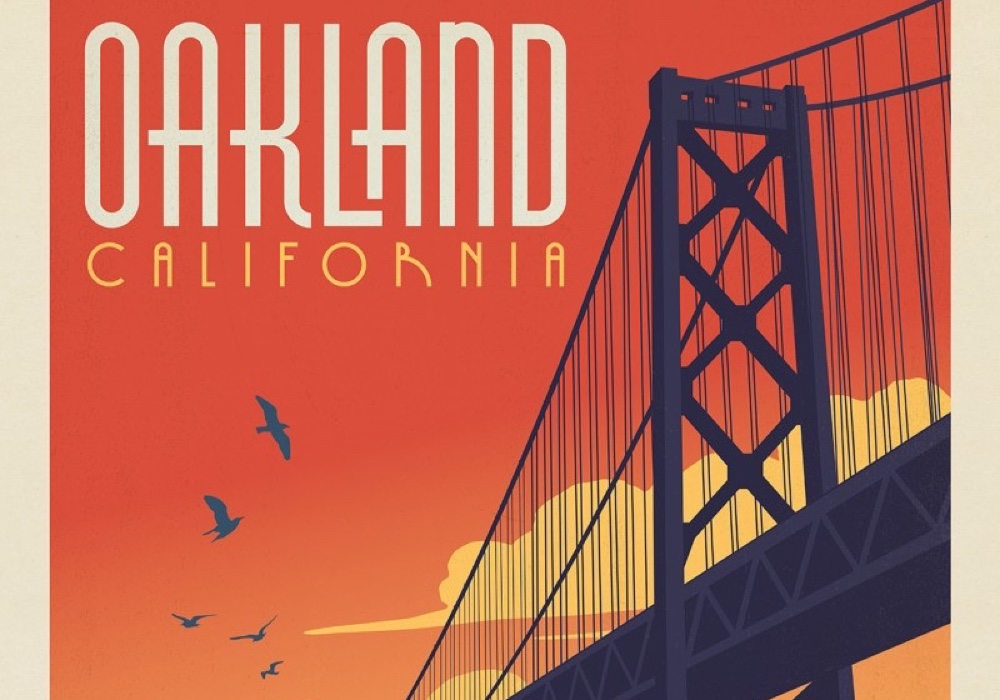
Oakland, California
Photographic studies of Oakland — its waterfront, neighborhoods, freeways, lakes, oak trees, and overlooked corners.
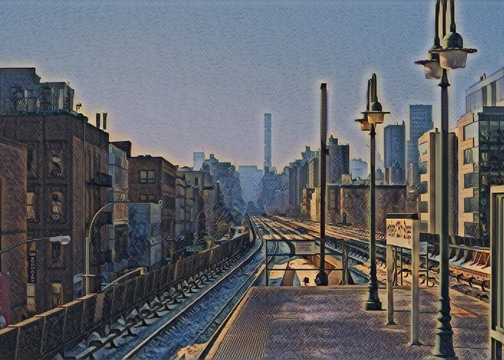
The Birth of a Nation
Imagery filtered through the aesthetic of D.W. Griffith's 1915 film — a foundational and deeply controversial work of American cinema.
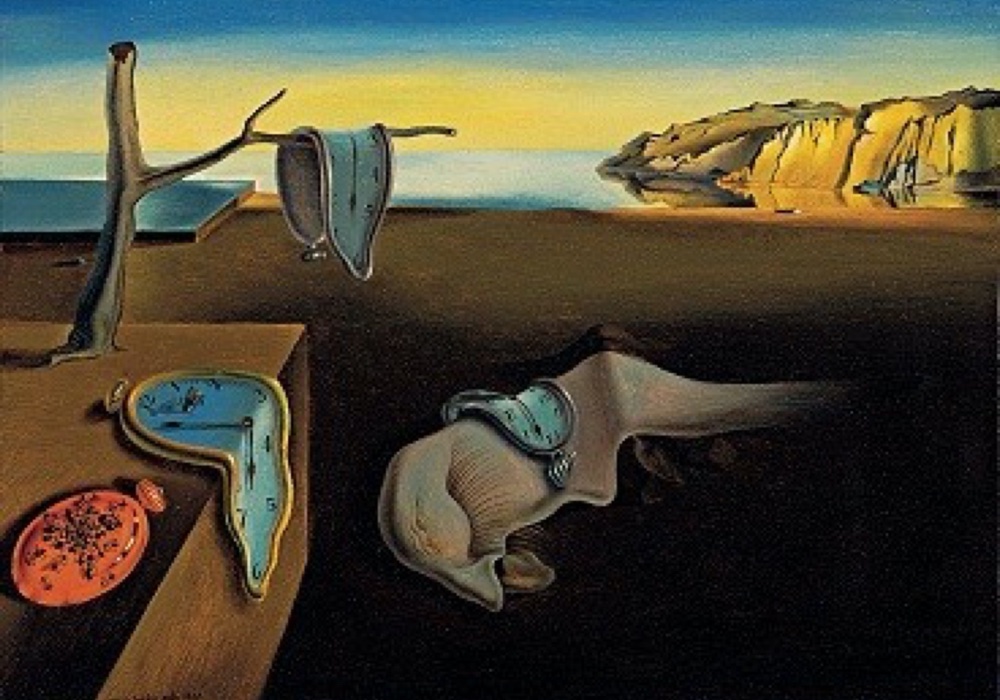
The Persistence of Memory
Landscapes rendered in the surrealist aesthetic of Salvador Dalí's 1931 painting — melting time, dreamlike voids, and uncanny stillness.
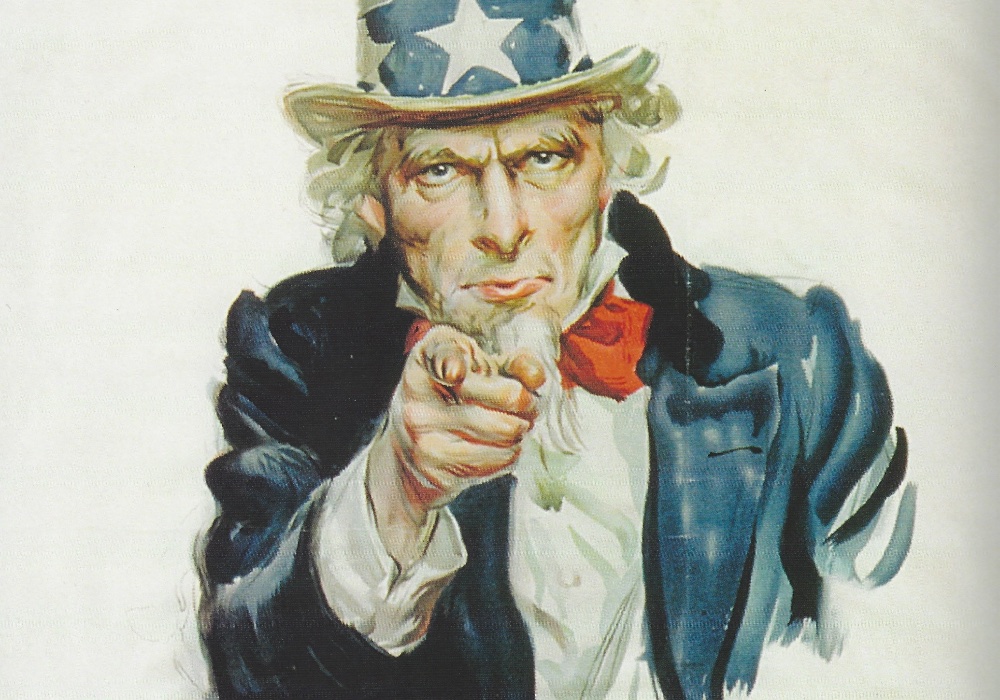
Uncle Sam
American landscapes and landmarks rendered in the iconography of Uncle Sam — the country looking back at itself through its own recruitment poster.
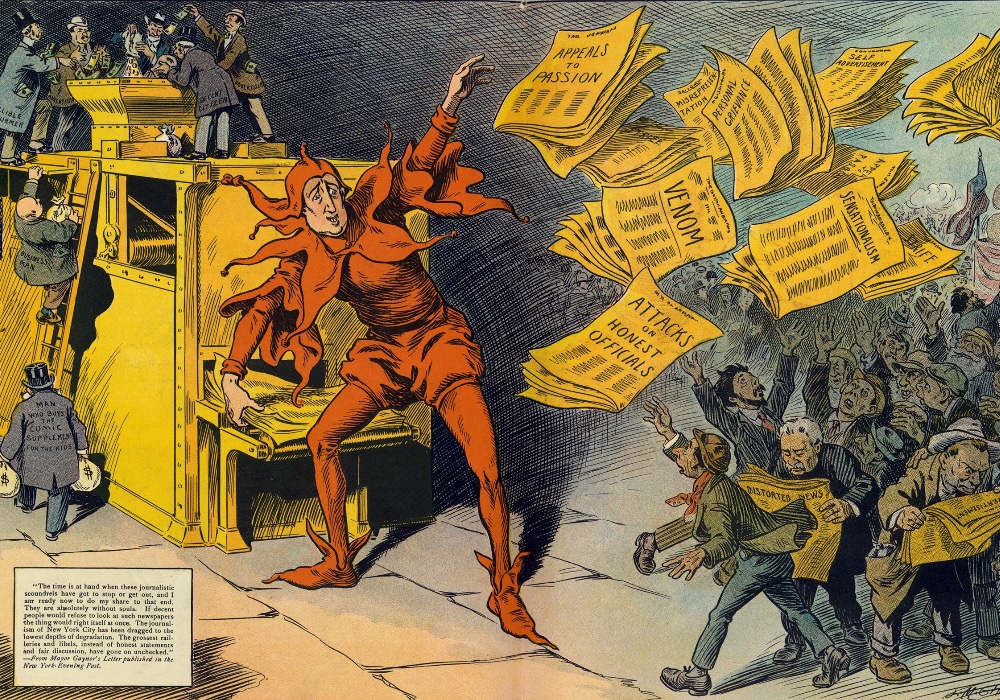
Yellow Journalism
Imagery rendered in the sensational aesthetic of yellow-journalism-era newspaper illustration — capitols, crows, dragons, and headline-grabbing tableaux.